
In today’s business world, more and more women are rising to executive positions. However, despite this progress, there are still many barriers that hinder female (and male) executives from reaching their full potential. Here I will explore the top five reasons why some executives may face challenges in their career advancement, and provide actions steps you can take to overcome them and achieve success.
Before I do so, I want to address the elephant in the room: what is a man doing mansplaining about the problems faced by women? My answer is two-fold. First, my mission is to create a working world that is fair for my two young girls (6 and 8 years old) – I need to be able to say to them that I have tried my best to make this a better world. Secondly, for +20 years I have been part of the environment that created gender imbalance, and then worked hard to reverse it as a senior leader – so I have seen what it is like on the coal face.
So, what’s the big picture here? 50% – 70% of executives fail within 18 months of taking on a role[1]. Why? Because all too commonly, many leaders are expected to acquire skills on their own, with little formal leadership training or coaching. For you to increase your likelihood of success, here are some of the problems and possible mitigating actions to take.
- Gender Bias and Stereotyping
Ask someone to picture a leader in their head, and most people will picture a male leader. If we have a group of men and women in a group behaving in leaderly ways among peers – such as speaking up with new ideas – it is the men who are seen as leaders by the group, not women.
You may also be aware of the huge body of work that has found that when women are collaborative and communal, they are not perceived as competent – but when they emphasise their competence, they’re seen as cold and unlikable.
So how can women seek to overcome this?
- Build a strong professional network: identify both male and female allies who understand the importance of gender equality, and who can advocate for you. As an individual contributor, your output could be more readily compared with others – that is often less obviously the case as a manager / director. So this requires more conscious time than you may have spent on your network in the past.
- Promote your achievements: showcase your skills, expertise and successes to counteract any biases that may diminish your value. Be proactive in sharing your achievements with colleagues, superiors and stakeholders.
- Seek out visibility: find opportunities to raise your profile: speaking at conferences or participating in industry events. By positioning yourself as an authority in your field, this again challenges bias and stereotypes head-on.
- Mentor and support other women: pay it forward by mentoring and supporting other women in their career development and promoting gender equality in the workplace. By doing so you contribute to a more inclusive work environment while creating a positive ripple effect…
- Take care of yourself: it’s crucial to prioritise self-care and wellbeing whilst navigating gender bias and stereotypes, which can be infuriating. Seek support when needed, and don’t forget activities that bring you joy and fulfilment.
- Who am I as a leader?
As a line manager, it may have been enough for you to be an effective manager of the nuts and bolts of your team to be effective. As you step up, however, you need to discover what you stand for as an authentic leader, bringing strength and purpose to the role.
For you to develop this understand, there are various guides you may be able to find online about understanding your personal brand. It is uncommon for line managers to be effective in spending the time with you to understand this, perhaps because it requires a different and non-solution-oriented mindset to uncover it.
In order to find your authentic leadership style, consider engaging a coach to help challenge you. They should ask questions such as:
- “What are the strengths that others acknowledge in me?”
- “What is my north star?”
- “What values do I actively take a stand for?”
- “What impact do you need to have on those around you?”
- “When faced with an overwhelming obstacle, what are my “go to” skills to overcome it?”
- “What are my burnout skills – the skills I’ve mastered but would rather not use every day?”
- What would I do with my summer if money weren’t an issue?
The output of this coaching discussion is a leader who knows what they stand for, what their strongest version of themselves looks like, and a sense of their boundaries. That is how you show up with impact and gravitas.
- Sticking with the same routine
The activities that paved your success to date may no longer be relevant. Perhaps your focus was upon the individual deliverables, and the team members that delivered them. Your boss may well have taken care of some of the stakeholder engagement to identify their priorities, their sleepless night questions, and what good looks like. You are now that boss, and continuing as you have done runs the risk of joining the 50%-70% of failed executives.
Instead, consider some or all of the following:
- Change in routine: start looking up and out to engage with the business, not inward. Who are those in similar positions in different parts of the business? I realised there were senior leaders that carried out similar roles to me in other business units, in audit, in HR, and of course external to my business. All were excellent sources of business context, ideas, and support.
- Time management: you need to reposition to build new relationships, with new stakeholders. What are their strategic goals for the year? What are their unanswered big questions? And what must you now detach from, assess, delegate and supervise that previously you had been involved with?
- Embracing leadership: in the past, problems may well have been resolved by the leadership team above you. It is now your job to shape the world around you, not wait for others to solve problems. That includes the awareness that you are now part of company leadership, and you need to develop a voice that speaks for the company.
- Confidence and imposter syndrome
Despite having succeeded in interview, many face the jarring realisation that they are now at a new level. When there is significant change, that’s when the confidence can get knocked, and the inner monologue begins: “I can’t do that”, “I only got this job because I was lucky”, “Any moment they’re going to find me out…”. This is something that applies both to men as well, but it’s more prevalent where you are “the only”: the only woman in the leadership team, or perhaps the only non-white woman in a room of white men.
So, what can you do to manage this?
- Hire a coach:
- Objective perspective: a coach provides an external and unbiased viewpoint. They can help identify patterns of self-doubt and negative self-talk that may contribute to imposter-like feelings. By helping you to examine your thoughts and beliefs, a coach can offer objective insights and help you challenge and reframe them.
- Mindsets: gain familiarity with what that internal saboteur looks like, sounds like, when they come up – granularity gives you power here. And identify the strongest version of yourself, in line with your values, that you can choose to adopt when the situation requires it. I used mine for boardroom presentations, budget meetings, and performance improvement discussions with members of staff.
- Networking: connect with successful individuals who have faced similar challenges. This can also provide valuable support, mentorship and opportunities for collaboration. Knowing that you are not alone in your experiences can itself boost the confidence.
- Training on relevant and critical areas of development
I remember managing my first team, and having been promoted because I was good at writing reports. Perhaps the hope from my own line manager was that I’d be able to impart that knowledge to others on the team, but it felt like a baptism of fire. But I rapidly realised that I had a huge shortfall in management as a technical skill, in the days before you could simply ask Google (or ChatGPT!) for guidance.
Unfortunately, there is no substitute here for actual training. Different leaders will have different areas of development. But one thing you can do is sit down with the person that interviewed you for your job and build a competency-based training plan in response to their feedback. This may require you to push for this to happen, and to push for specific feedback on the competencies displayed and degree to which they were demonstrated in interview. Thereafter, you may require training on areas such as:
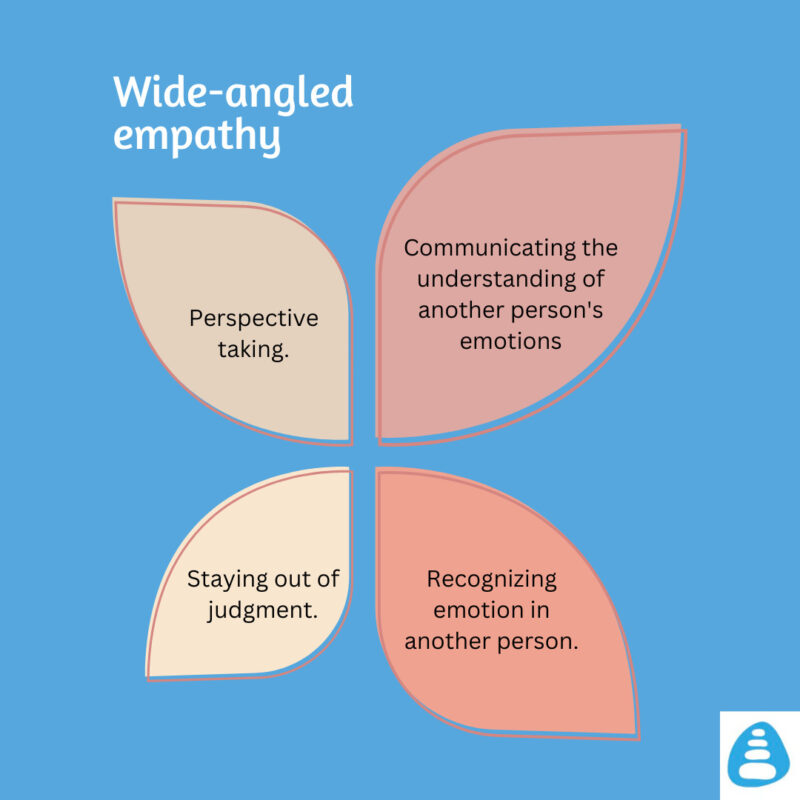
- Building emotional intelligence: being able to manage your own emotions while empathizing with others – relationship building, conflict resolution, recognising the strengths and weaknesses of the team.
- Vision setting: how do you as a leader go about developing an engaging and purposeful vision statement with your team? How can you then go about communicating that vision?
- Delegation: there are guides online about how to delegate, but as often as not it is the mindset associated with delegation that can be a barrier. For people pleasers and perfectionists in particular, coaching could unlock time for the leader themselves, and enable the potential of their team to be realised.
- How to coach: what the fundamental questions you need to ask in order to unlock the skills and capabilities of your team? These will avoid you being the bottleneck, and a system of reliance upon you for the answers.
All the above can be developed in a training setting, but having a trainer / coach that can tackle both the technical aspects as well as the behavioural underpinnings is what stands between superficial learning and transformational change in approach.
Does this resonate with you? Get in touch!
If you find yourself uncertain in your role today, don’t wait for tomorrow. You can have a free hour’s discussion with me, Alex Patient, to see what would be different in the future if we worked together. Either drop me a line to say hi at patientmindcoach@gmail.com, give me a ring on 0775 382 6096, or book a time for us at your convenience on www.calendly.com/alexpatient .
Or you can roll the dice and hope you’re one of the 30%-50% of executives (in aggregate) that makes the grade.