
First-time leaders: the 5 most common mistakes
By Alex Patient
In my mid-twenties I was given a team to manage. I believe I was given this responsibility because I was able to produce and present high-quality reports for senior management…and because I kept asking for opportunities. So on Day One as a new manager, managing individuals that had previously been my peers, I was uncomfortable and lacking in confidence. I had on my team individuals twice my age, and felt that some may wonder why I was now their manager.
Looking back, that’s not atypical. The majority of new managers and new leaders (managing other managers) receive no formal training. And yet the job is – or at least should be – about 70% people management. The skills and practices that get you the promotion are not the skills that will now help you succeed.
So, I thought I would set out the common mistakes I made, and which I have seen other managers make in their first 18 months in the role. Rather than just finger pointing, I’ll also suggest ways we could do this differently. In all my suggestions, please note that they won’t apply to everyone: there is no golden bullet here to tackle the fact that people are people, and our approach needs to be tailored to fit. Without further ado…
Bear trap #1: “I’ll do it myself”
- Mistake: you expect the quality of the team’s output to match your own. This is the unspoken agreement when you were promoted – replicate your own standards. You therefore start taking over work from the team, doing more than you should. As a result, the team members don’t learn, and perhaps start to feel disengaged. I did this in my last role: I would review and change the presentation to the Board to the point my analysts felt they no longer had accountability for the final output.
- Solution: coach the team on what you expect. I appreciate that you may not have had support on how to have these crucial conversations. I found it very difficult as a man talking to a man twice my age on what my expectations were, which could be even more difficult for a woman. Seek guidance early on how to have an effective feedback conversation.
Bear trap #2: becoming “Work Alex”
- Mistake: now that I was the manager, I tried to present myself as unflappable “work Alex”. The warmth that I might otherwise have shared went, along with much of the humour. The result was that my team no longer felt able to open up around what was going on for them as the psychological safety drained away.
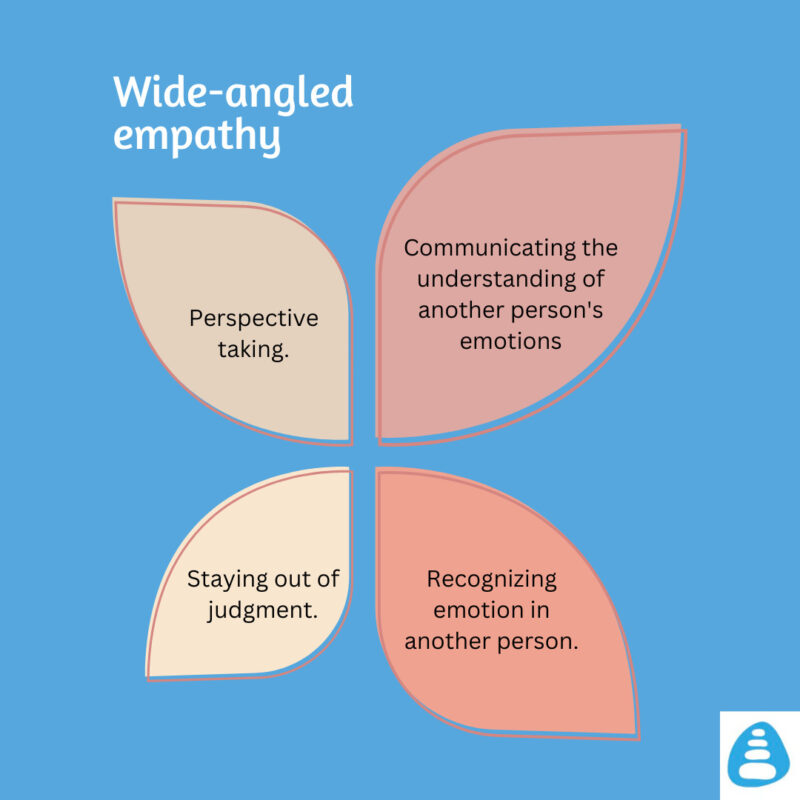
- Solution: be your authentic self, and demonstrate empathy. Everyone has something going on in their lives, and this doesn’t get parked at the office door. I made a point of sharing with my team some of what is going on for me, letting them know it’s okay not to be okay. I believe this helped my team then share more of what was happening for them, building the human connection that is vital for effective teamwork.
Bear trap #3: equal vs. fair treatment
- Mistake: treating everyone equally felt like the fair thing to do. I had a manager who role modelled this. He would give me an outcome to explore with relatively little guidance, and I thrived. However, the colleague next to me struggled with this equal approach because she wanted greater clarity around what good looked like.
- Solution: treat everyone fairly by supporting each person as they need to be supported. If you treat individuals all the same, you will likely hit a wall with at least one. Recognise that one person may need gentle encouragement to modify a behaviour, whilst another may need something a lot more direct and forceful. I know my two daughters require very different tactics to help them learn: I treat each of them fairly and differently.
Bear trap #4: “Please like me!”
- Mistake: we avoid having the difficult conversations with staff to improve behaviours and develop skills for fear of upsetting the member of staff, but also because we feel so uncomfortable delivering the message. The result is that small issues develop into larger ones over time, and before you know it you have a major problem on your hands and the risk of a confrontation.
- Solution: don’t walk past small problems hoping that time will fix them. Give feedback early and often whilst it’s not a big deal. By giving positive feedback as well as developmental feedback, you can be clear on what you expect of the team, and the team is clear on what good looks like. I personally would also highlight feedback that I have received to my team, and how I’d like their support in making the changes I’d signed up to – it makes clear the point that we are all and always developing.
Bear trap #5: micromanaging team members
- Mistake: as a new manager, I felt the need to control every aspect of the team’s work, believing this would ensure quality and efficiency. It meant I would be checking and telling and changing content. Yet our teams are full of talent, and there are many ways of achieving an outcome. It is disempowering for the leader to shut the door to creativity and personal expression. In my old field of data visualisation, there is no right answer, and the presumption that I had it was patently false.
- Solution: trust and empower the team by delegating tasks and giving them autonomy. Focus on providing guidance and support rather than controlling every detail. Remember that there may be individuals in your team with the capability to become the next CEO.
Overall, I think if I had to go back and do it all again from scratch, I’d also keep in mind three high level points:
- Managing expectations: a chat with my manager about what they expected of me as manager in my first six months would have been very valuable. This could have allayed the fear that I was only ever one mistake away from failure, be that a mistake I made or one of my team. It could also have helped to clarify what good looked like: team development, acknowledging that quality improvements take time.
- Personal development: I would have benefitted from support around how to run effective 121s, have difficult conversations with my staff, and coaching around my personal barriers to success. The personal barriers were areas like bringing more of my authentic style to the role, guilt around asking another person to do work that I could do (but shouldn’t!), and the wish to be liked as I moved from peer to manager.
- My impact: I should have considered what I wanted people to say about me as I was leaving the role a number of years later. For me, that would have been around making an impact on their personal development, preserving the work / life balance, and inspiring my team to realise their fullest capability. If I had had that squarely in mind, I would have been better able to make the difficult choices that perhaps I ducked, or soft-pedalled.
So my question to you is: how able are you able to manage these bear traps effectively? What conversations would you benefit from having with your line manager, to get clarity? Is there any additional support you need in order to change the behaviours that have served you so well to this point, in order to transition to people manager?
If you would rather not risk being one of the 65% of managers that fail in their first 18 months, reach out to me for a free hour of coaching. Well done on your promotion, now let’s make this journey a pleasurable and successful one.